
Hydraulic Machines: How It Works, Uses, and Examples
Contents
Hydraulic technology leverages fluid power to generate force, enabling efficient and precise operation across various industries. This system uses pressurized liquid, typically oil, to transmit power in a closed circuit, offering unparalleled efficiency and control. The versatility and reliability of hydraulic machines play a pivotal role in metalworking, automotive manufacturing, construction, and aerospace industries.
What is a Hydraulic Machine?
A hydraulic machine is a mechanical system that generates force and motion using a pressurized liquid, typically oil, within a closed circuit. The fluid transmits energy throughout the system, enabling the machine to perform high-power and precision tasks. Hydraulic machines are specifically designed for heavy-duty applications, such as lifting, pressing, and forming. Their ability to deliver immense force, combined with reliable and efficient operation, makes them indispensable in industries requiring consistent performance and precision control.

How Do Hydraulic Machines Work?
Hydraulic machines operate by transforming pressurized fluid into mechanical force and motion, enabling precise and powerful operations. The system is based on Pascal’s Law, which states that pressure applied to a confined fluid is uniformly distributed throughout the system, which ensures consistent power transmission.
Working Principle of Hydraulic Machines
A key concept behind hydraulic systems is Pascal’s Law, which states that when pressure is applied to a confined fluid, it spreads equally in all directions. In a basic hydraulic setup with two pistons connected by fluid:
- Piston 1 (small area A1): When a force (F1) is applied, the pressure (P) on the fluid isP = F1 / A1
- Piston 2 (larger area A2): The same pressure (P) acts on this piston, but because its area is larger, the resulting force (F2) is F2 = P × A2
Thus, comparing the two forces:
F2 / F1 = A2 / A1
This principle explains how a small input force on a smaller piston can be magnified into a larger output force on a bigger piston. Hydraulic presses, jacks, and other fluid-based machinery leverage this to multiply force, making tasks like lifting, pressing, or forming more efficient and precise.
The process begins with a hydraulic pump, which draws fluid from a reservoir and pressurizes it to the required level. This pressurized fluid travels through a network of pipes and valves. Valves regulate the flow and direction, allowing controlled movement of the fluid to various actuators.
The fluid then enters a hydraulic cylinder or motor, which converts the fluid’s energy into mechanical action. In a cylinder, this action may result in linear motion (e.g., pushing or pulling), while in a motor, it creates rotational motion. The system’s design allows for precise control of speed, force, and direction, making it highly versatile.
To ensure efficient operation, hydraulic systems include filters to maintain fluid purity, pressure gauges to monitor performance, and heat exchangers to manage thermal buildup. This robust and compact system enables hydraulic machines to perform heavy-duty tasks with reliability and precision.
Advantages of Hydraulic Machines
- High Efficiency: Hydraulic machines generate immense power, making them suitable for heavy-duty applications such as lifting, pressing, and excavation. Their ability to handle substantial loads with minimal effort ensures optimal performance in demanding environments.
- Precision: These systems provide exceptional control, allowing for accurate and smooth operation. This precision is crucial in applications like metal forming, robotic systems, and surgical equipment, where exact movements are essential.
- Durability: Hydraulic machines are designed to withstand harsh conditions and rigorous use. Their robust construction and reliance on fewer moving parts minimize wear and tear, ensuring long service life with straightforward maintenance.
- Energy Efficiency: Hydraulic systems convert energy efficiently, using pressurized fluid to achieve high power output with lower energy input. This efficiency reduces energy consumption and operating costs, making them a sustainable choice for industrial and mechanical applications.
Applications and Examples of Hydraulic Machines
Hydraulic machines are integral to various industries due to their ability to deliver high power and precision. Below are the key uses of hydraulic machines:
1 .Industrial Applications
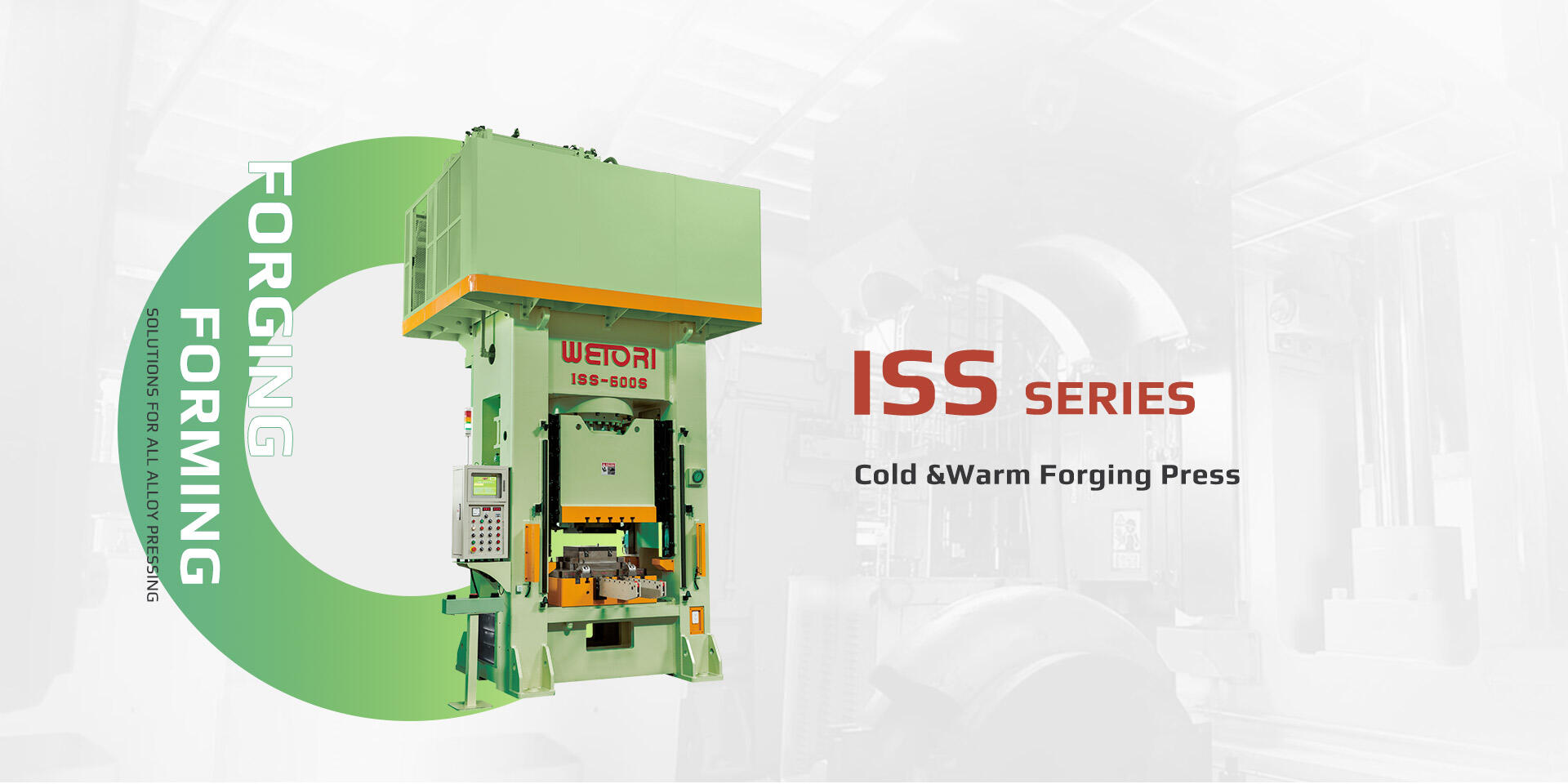
Hydraulic machines are widely used in manufacturing and metalworking industries. They power metal cutting machines, which achieve precise shapes and dimensions. In pressure forming, hydraulic systems play a crucial role in processes like aluminum alloy forging and stainless-steel fitting, where immense force is required to shape and mold materials accurately. These are some of the most critical uses of hydraulic machines in industrial settings.
2. Automotive Industry
In vehicles, hydraulic systems are essential for brake systems. Hydraulic brakes use pressurized fluid to amplify force from the driver’s foot, ensuring efficient and responsive braking. This technology is vital for both passenger safety and performance in modern automobiles. The uses of hydraulic machines here highlight their importance in ensuring safety and control.
3. Construction Equipment
Construction relies heavily on hydraulic machines for their strength and versatility. Bulldozers, excavators, and cranes use hydraulic systems to lift and move heavy materials with precision, making them indispensable for projects like building construction and infrastructure development.
4. Food Industry
In packaging, hydraulic presses are used to compress and seal products efficiently. These machines ensure uniformity and durability, meeting the high-volume demands of food processing and packaging operations.
5. Lifting Tools
Hydraulic jacks are common tools for lifting heavy loads, such as vehicles during repairs or maintenance. Their compact design and powerful lifting capacity make them ideal for both industrial and personal use.
FAQ about Hydraulic Systems
1. How Can I Maintain a Hydraulic System?
Proper maintenance ensures optimal performance and longevity. Regularly inspect the system for leaks, contamination, or signs of wear. Use high-quality hydraulic oil to maintain system efficiency and adhere to the manufacturer’s operational guidelines. For professional support and expert advice, reach out to Wetori.
2. What Is the Role of Hydraulic Fluid in Hydraulic Machines?
Hydraulic fluid is the lifeblood of hydraulic systems. It transmits pressure to generate force and power the machine's operation. Beyond this, it also lubricates moving components, minimizing friction, reducing wear, and preventing overheating. Choosing the right hydraulic fluid is crucial for maintaining system performance and durability.
Conclusion
Hydraulic technology uses pressurized fluid to generate force, delivering precision and efficiency in multiple industries. These systems convert fluid energy into mechanical action for heavy-duty tasks such as lifting and forming. Renowned for durability and energy efficiency, hydraulic machines are indispensable for demanding applications requiring power and control.
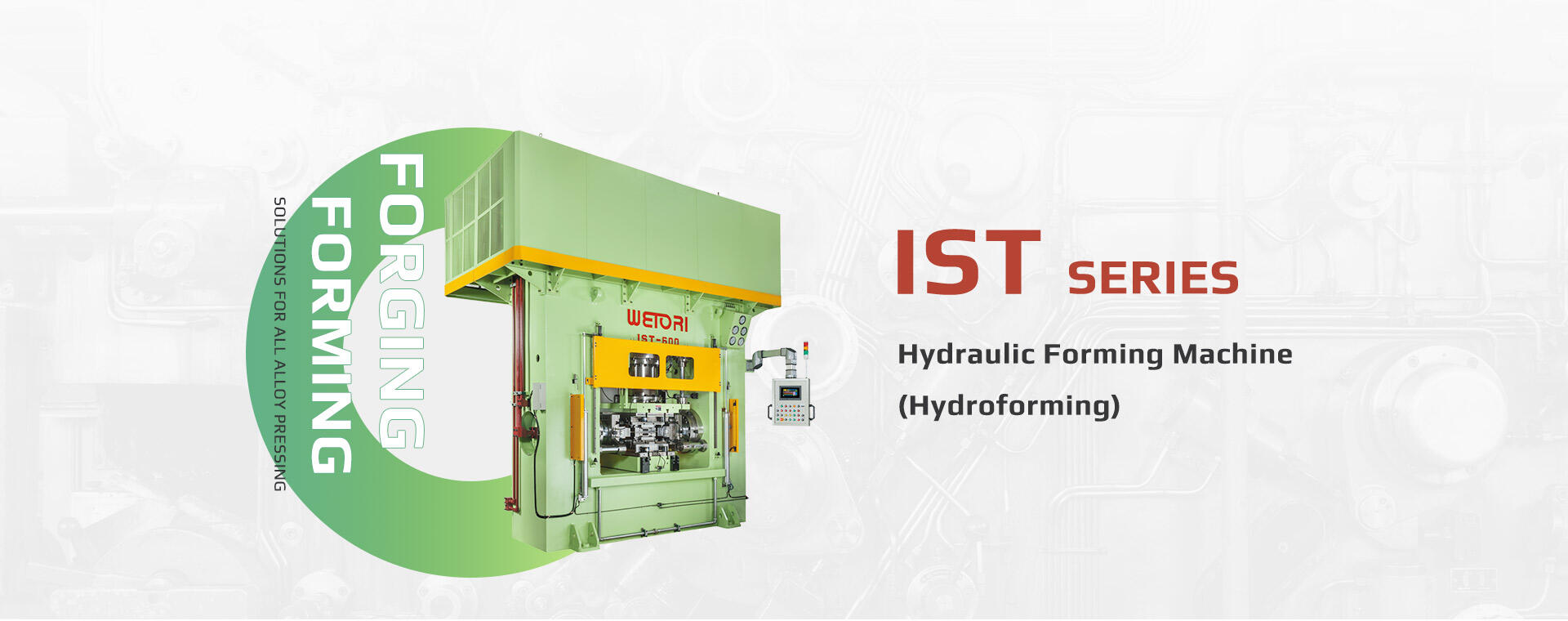
At Wetori, we take hydraulic technology to the next level with innovative solutions designed for excellence. For instance, our Hydraulic Forming Machines feature advanced touchscreen controllers for intuitive operation, precise forming capabilities for intricate tasks, and water-priming technology to enhance product quality.
For businesses seeking cutting-edge hydraulic solutions, Wetori provides unparalleled expertise and state-of-the-art products tailored to meet diverse industrial needs. Explore our Hydraulic Forming Machines and discover how the technology can empower your operations.